BEGINNER-FIRST GUIDES

Built for your first season, not the tenth.

Plain language, a small kit, and the rules in the right order. We cover fishing, foraging, boating, hunting, camping, and hiking. We're starting with fishing.

You don't need a boat to catch your first fish. This winter, your first trip is on the ice, in Michigan, and we'll walk you through it one step at a time: get legal, pack a small kit, pick a public place, and learn the limits.

Read your first ice-fishing plan Browse all guides

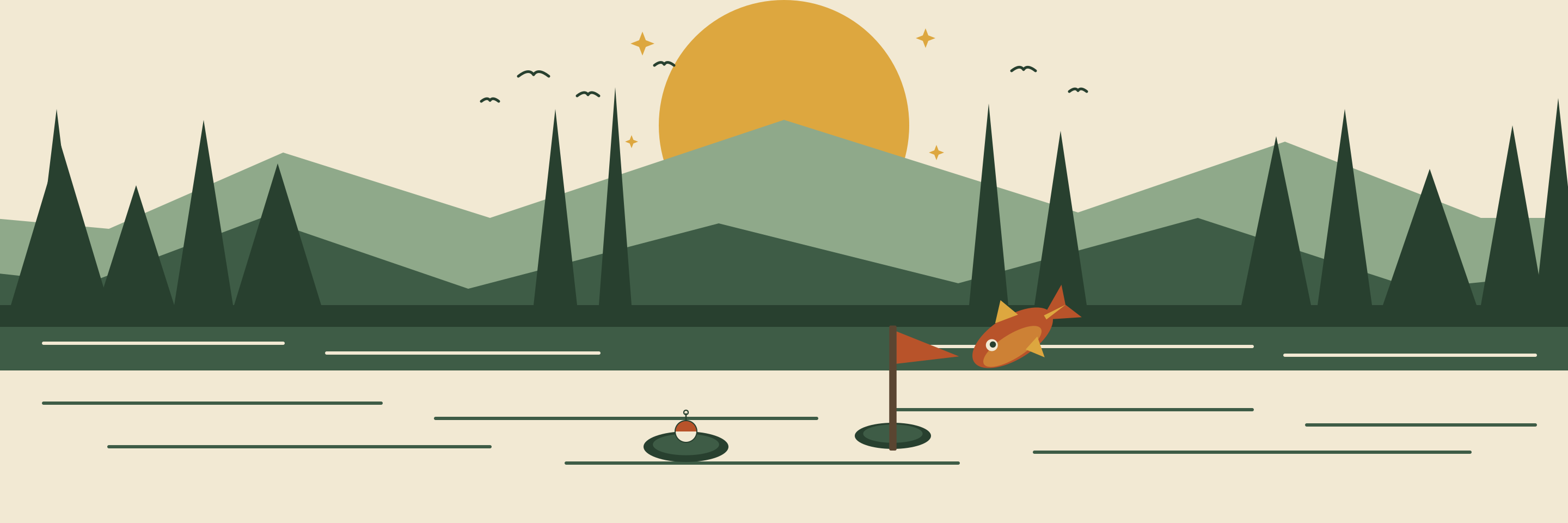
A winter lake with pines, a low sun, a bobber, and a fish jumping

Fishing, foraging, boating, hunting, camping and hiking

An ice-covered lake with pines and a low sun, and a teal lake badge with a fish

First Cast

Fishing

This is where we start. Never fished? Never fished through the ice? Perfect. Here's your first-trip plan in plain English: the license, a small kit, a legal place to go, and the rules that matter. We begin in Michigan. No boat needed. Read the first guide, then come back, because more are on the way.

Read your first ice-fishing plan

Woods and a ridge under a low sun, and a mustard badge with a leaf

First Forage

Foraging

Foraging is coming in spring. When we open this spoke, we'll teach you how to look carefully, not what to eat. We will never tell you a find is safe to eat. Not sure it's a morel? Leave it. If in doubt, throw it out. We'll point you to local clubs and official rules, and we won't ask you to trust an identification app with your dinner.

Foraging safety disclaimer: This is not identification advice and not permission to eat any plant, mushroom, or other wild food. Misidentifying a wild food can cause serious illness or death. Don't eat a find because a guide, a photo, or an app said it was fine. If in doubt, throw it out. Learn with a local mycological club (a group of mushroom people) or another qualified mentor, and follow the landowner's rules and the law.

Open water with green hills and a low sun, and a badge with a sailboat

First Launch

Boating

Boating is on the list for summer, once fishing is up and running. When this spoke opens, we'll walk through your first launch (that's putting a boat in the water) in the same order: what the law requires, a modest kit, a place to put in, and how to get back safely. No need to have grown up around a dock.

A forest edge and a low sun over bare ground, and a bark-brown badge with a feather

First Hunt

Hunting

Hunting is planned for fall 2027, with a food-first approach for grown-ups who didn't grow up hunting. When this spoke opens, every guide will link the official state regulations and tell you the date we checked them. We'll talk to adults like adults. We won't show kill photos, and we won't sell firearms or help anyone else sell them.

Hunting safety and policy disclaimer: Hunting laws, seasons, license types, and hunter-education rules vary by state and change often. Read the official regulations for the state and season you're in, and follow them. This site does not sell firearms and does not offer a place to buy, sell, or trade them. We do not publish graphic kill images.

A tent, a ringed fire, and a lantern in a mountain clearing under a low sun, and a forest-green badge with a tent

First Camp

Camping

Never camped? Perfect. When we open this spoke, we'll walk you through a first night out in the same order: the rules for the place you're staying, a modest kit, and how to leave the site better than you found it. We'll start with official Michigan state-park and DNR camping pages, and we'll point you to Leave No Trace. No need to have grown up with a tent.

Camping safety basics. These are official-rule reminders, not a campsite rating and not a complete rulebook. Checked 25 November 2026, Eastern Time:

  • In Michigan state parks, campfires are allowed only in designated fire rings, must never be left unattended, and you should not burn garbage. Don't move firewood; buy local or certified heat-treated firewood. Source: Michigan DNR, Camping at state parks.
  • Quiet hours are 10 p.m. to 8 a.m. Day-use hours at state parks and recreation areas are 8 a.m. to 10 p.m. Only registered campers may stay in the campground after 10 p.m. You must be 18 or older to reserve a site, and an adult must occupy it each night. Source: the same camping page, and Michigan DNR, State parks — general rules.
  • Plan ahead, stay on durable surfaces, pack out what you pack in, leave what you find, keep fires small and legal, give wildlife room, and be considerate of other people. Those ideas come from Leave No Trace, a trademark of the Leave No Trace Center for Outdoor Ethics; read the official 7 Principles before you go (also summarized by the National Park Service).
  • Check the weather before you go. Ready.gov's rule for thunderstorms is “When thunder roars, go indoors!” and it says to move from outdoors into a building or a car with a roof. Source: Ready.gov, Thunderstorms & Lightning. Ready.gov's Build A Kit is a home-preparedness list (water, a flashlight, a first-aid kit, a whistle, and more), not a camping packing list, so use it as an idea starter only.

Rules, fees, fire restrictions, and reservations change. Confirm them on the official page for the park or land you'll use.

Camping safety disclaimer: This is not a permit, a reservation, or a safety rating of any campground. It is not permission to light a fire. Read the official rules for the land you will use, including fire restrictions, and follow them. If the rules or the conditions are unclear, don't go, or don't start a fire.
A marked trail with a blaze and a path marker under a low sun, and a rust badge with a boot

First Hike

Hiking

Never much of a hiker? That's fine. When we open this spoke, we'll help you plan a first walk on a public trail: pick a route that fits you, pack what you need, and get back before you're in trouble. We'll point you to official trail and park pages, not to a “secret” path.

Hiking safety basics. These are official-safety reminders, not a trail rating and not a forecast. Checked 25 November 2026, Eastern Time, mainly from the National Park Service's Hike Smart page (written for national parks; the rules for your trail may differ):

  • Your safety is your responsibility. Pick a trail that fits you and your group. Don't overestimate your abilities.
  • Leave a trip plan with a trusted person who is not going with you: where you're headed, who is with you, and when you plan to be back.
  • Check the weather and official alerts or closures before you go, and set a turnaround time so you're not still out after dark. Don't rely on a cell phone; coverage may be poor or missing.
  • Pack water, food, and other essentials. Stay together, and let the slowest person set the pace.
  • Follow Leave No Trace: 7 Principles (also summarized by the National Park Service). When thunder roars, Ready.gov says to move into a building or a car with a roof: Ready.gov, Thunderstorms & Lightning. The NPS page also lists “10 Essentials” to pack; read it before you go.

Hiking safety disclaimer: This is not a trail rating, a weather forecast, or a promise that a route is safe today. Conditions and closures change. Check the official page for the land manager of the trail you will walk, and follow it. If you're not sure, choose an easier walk or stay home.

What's in season

One email a week: what's in season, a short story or weekly pick, a reminder of the rules that matter right now, and a link to the free guides on this site. Join the list and we'll send you a free First Ice Fishing Trip Checklist — the license, safety, a small kit, and what to pack.

You can unsubscribe any time with one click.

Join the list

This is a Your First Season email, not a note from another brand. Your address goes to beehiiv, the service that sends our emails.